

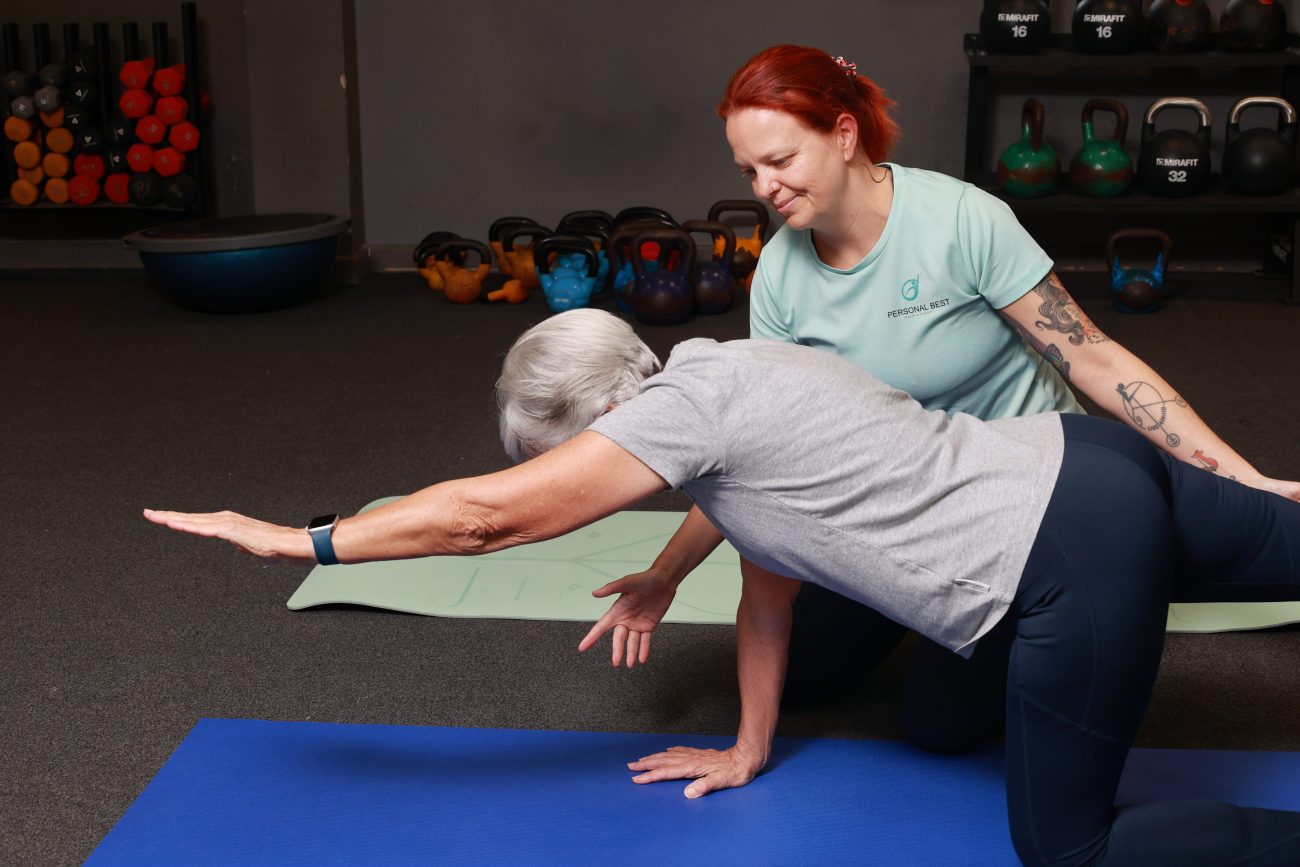
If you’ve been told you have osteoarthritis (OA), you may have also been told there’s “nothing much to be done” beyond painkillers and, eventually, surgery. That advice is out of date. The current clinical evidence, and what I see week to week in clinic here in Torbay, points to a very different picture. OA responds well to the right combination of manual therapy and structured, progressive exercise, and for many people this can mean less pain, better function, and a delayed or avoided need for joint replacement.
This article explains what’s actually happening in an osteoarthritic joint, why soft tissue therapy helps, why exercise is the single most evidence-backed intervention for OA, and how the two work best together.
What Osteoarthritis Actually Is
OA isn’t simple “wear and tear,” despite that being the phrase most people are given. It’s a whole-joint condition involving cartilage breakdown, changes in the underlying bone, low-grade inflammation of the joint lining, and, critically for what I do, changes in the muscles, tendons, and fascia surrounding the joint.
When a joint becomes painful, the body’s natural response is to guard it. Surrounding muscles tighten, movement patterns shift to offload the area, and over time this guarding itself becomes a source of stiffness and pain that’s separate from the joint damage itself. This is where soft tissue therapy has a clear role.
Why Soft Tissue Therapy Helps
Soft tissue therapy, including but not limited to massage, myofascial release, trigger point work, and targeted mobilisation of the tissues around an arthritic joint, helps in several specific ways:
– Reducing protective muscle guarding
Chronic tension in muscles around an OA joint (for example the quadriceps and hamstrings around an arthritic knee, or the hip flexors and glutes around an arthritic hip) can restrict movement and add compressive load to the joint itself. Releasing this tension often improves range of motion immediately.
– Improving local circulation
Manual techniques increase blood flow to the soft tissues surrounding the joint, which supports the nutrient exchange that stiff, underused tissue often lacks.
– Reducing pain sensitivity
Manual therapy has a well-documented short-term analgesic effect, partly through gate-control mechanisms and partly through reducing muscle spasm, which matters practically because a less painful joint is one people are far more willing to move and load, and movement is what drives the longer-term improvement.
– Addressing compensation patterns
OA rarely stays confined to one joint’s local tissues. A painful knee changes how someone walks, which loads the hip and lower back differently. As a soft tissue therapist, part of my job is treating not just the arthritic joint but the compensatory tightness that develops elsewhere.
Soft tissue therapy is not a cure for OA and I’m always upfront about that with clients. What it does very effectively is reduce the barriers, such as pain, guarding, and restricted movement, that stop people from doing the thing that actually changes the trajectory of the condition: exercise.
Why Prescribed Exercise is the Cornerstone
This is the part that often surprises people: exercise is not just safe for arthritic joints, it is the leading recommended treatment across UK and international clinical guidelines, including NICE. A structured, individually prescribed exercise programme has been shown to:
– Strengthen the muscles supporting the joint, which reduces the load passing through the joint surfaces themselves. A stronger quadriceps, for instance, measurably reduces knee joint loading in OA.
– Maintain and improve joint range of motion, countering the stiffness that comes from disuse.
– Improve cartilage health. Contrary to the old advice to rest an arthritic joint, moderate loading appears to support cartilage nutrition, since cartilage has no direct blood supply and relies on the compression and release of movement to exchange nutrients and waste products.
– Reduce pain via central mechanisms, including exercise-induced changes to how the nervous system processes pain signals.
– Support weight management, where relevant, which directly reduces load on weight-bearing joints. Even a modest reduction in body weight produces a proportionally larger reduction in knee joint load.
The key word is prescribed. Generic “just go for a walk” advice is better than nothing, but it’s not the same as a programme built around your specific joint, your current strength and mobility baseline, your pain patterns, and your goals. This is where working with a qualified practitioner, rather than following a generic online routine, makes the real difference, and it’s exactly the kind of individualised programming I build for clients.
Why Combining the Two Works Better Than Either Alone
In practice, soft tissue therapy and prescribed exercise aren’t alternative options. They work best as a combined approach, each addressing what the other can’t:
1. Soft tissue work reduces pain and guarding in the short term, making exercise more tolerable and more effective.
2. Exercise builds the strength and capacity that soft tissue therapy alone cannot create, addressing the underlying issue rather than just the symptom.
3. Ongoing soft tissue therapy manages the compensatory tightness that develops as training load increases, helping prevent secondary issues elsewhere in the kinetic chain.
4. Regular practitioner contact means the exercise programme can be progressed safely and adjusted around flare-ups, rather than the person either overdoing it or avoiding movement out of fear.
This is the model I use with OA clients at Personal Best Therapy: an initial assessment to understand which joint, movement patterns, and compensations are involved, hands-on soft tissue work to reduce pain and improve mobility, and a progressive, personalised exercise programme that builds strength and function over time.
What This Means If You Have Osteoarthritis
If you’ve been managing OA with rest and painkillers alone, the evidence suggests there’s a more effective path available. One that combines skilled manual therapy with a properly structured, progressive exercise plan tailored to your joint and your current ability. This isn’t about pushing through pain or ignoring medical advice; it’s about working with a qualified practitioner to build a programme that’s appropriate for your specific presentation.
If you’d like to discuss how this approach could help your particular situation, get in touch to arrange an assessment.
Written by Tamsin Philp – Personal Best Heath & Therapy
Tamsin is a Sports and Remedial Therapist based in Paignton, Torbay, She has additional training in Oncology Massage and Nutrition Coaching. Personal Best Therapy offers soft tissue therapy, injury rehabilitation, and personalised remedial exercise coaching across Torbay and South Devon.
This article is for general information and does not replace individualised medical or clinical advice. Always consult your GP or a qualified healthcare professional about your specific condition.