

Sports and Soft Tissue Therapy
What is Sports and Soft Tissue Therapy?
Sports Therapy is similar to physiotherapy with a couple of big differences.
1. Unlike physiotherapists, who are trained in many different specialisms, all sports therapists are solely trained in musculoskeletal injury. This means that sports therapists are experts in muscle, tendon, ligament and joint injuries.
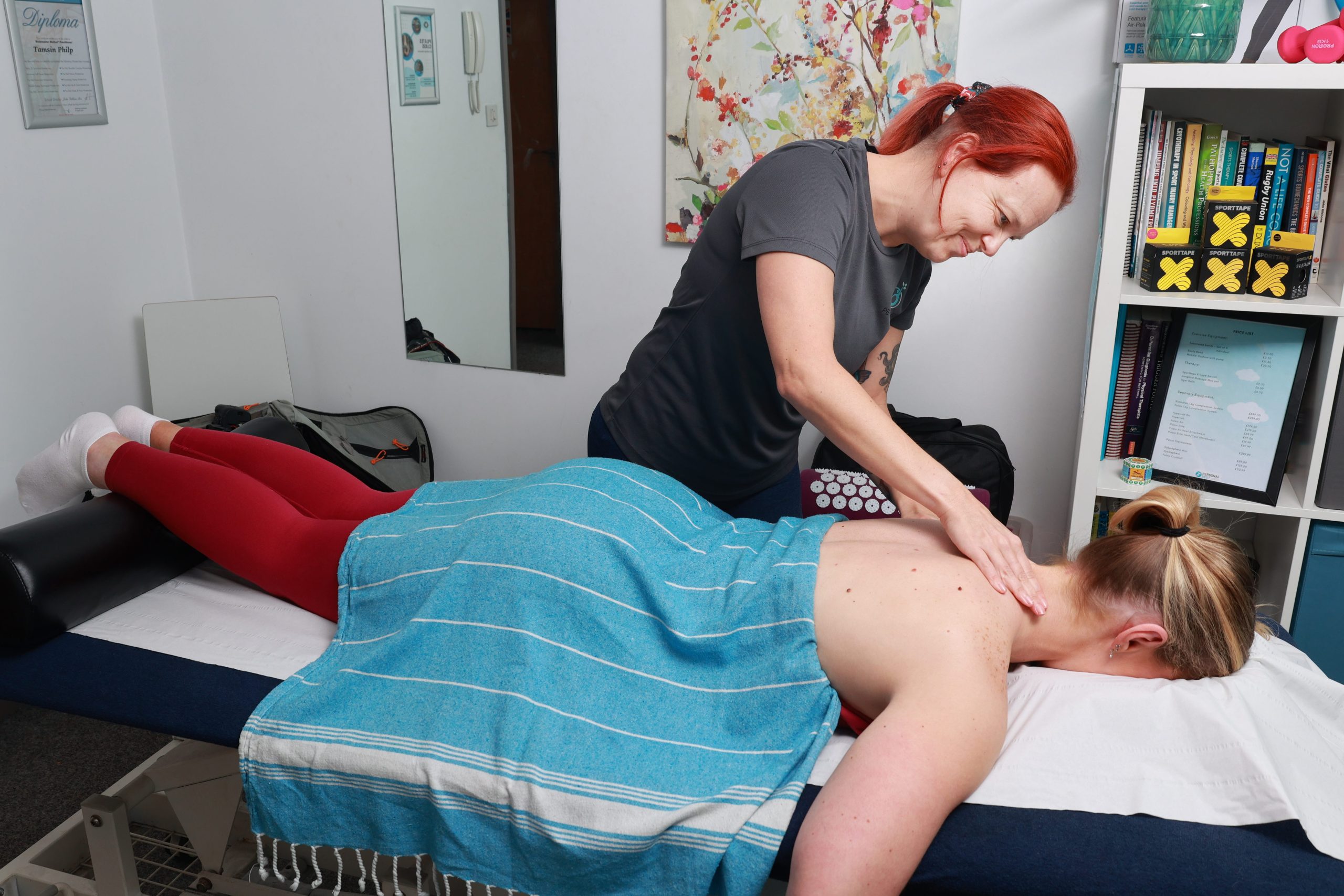
2. Sports therapists are all trained in massage and soft tissue therapy. They use “hands-on” techniques to help reduce pain and inflammation, before or in conjunction with exercise and rehabilitation. Many physiotherapists are not trained in hands-on therapy, particularly in NHS settings.
Can I see a sports therapist if I’m not sporty?
Yes, absolutely. We agree, the title can be a bit misleading. That’s why some sports therapists prefer to label themselves soft tissue therapists or remedial therapists. We can treat (or help rehabilitate) any kind of muscle, tendon or ligament injury, regardless of how it was caused, whether it’s a sports injury or not.
The term sports therapist generally refers to our training. Most of us learn about the body and get exposure to various injuries, through sports. Whilst we are learning, we would see a lot more diverse injuries on a rugby pitch, for example, than we would on a building site or in an office. But the principles are the same and can be applied anywhere.
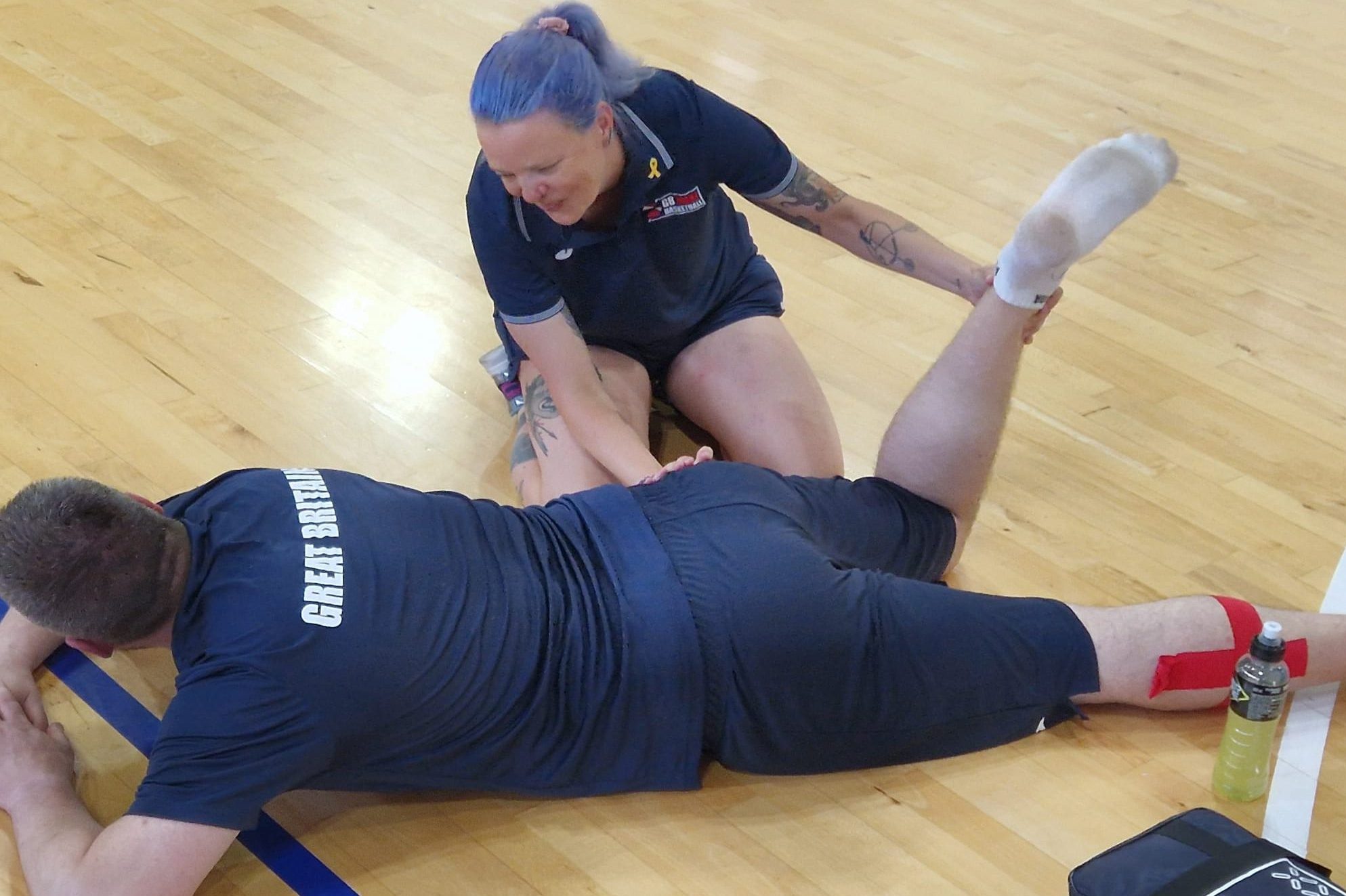
Many sports therapists also opt to work in sports settings, with teams or individual athletes. Soft tissue therapists are, generally, more clinic based and don’t have as much experience working in live sports settings.
What can Sports Therapists do?
Sports Therapists are experts in the mechanical systems of the body. We can assist the body’s own healing mechanisms, and help to speed up injury recovery, reducing pain along the way, and helping to ensure a lower risk of re-injury in the future.
Assessment
When injury or pain first occurs (or if it’s been there a while), we can assess what might be wrong. We will look at factors such as how the injury occurred, a timeline of development of pain, where and when the pain occurs, lifestyle factors such as occupation, hobbies etc, and determine the best course of action for you.
Sometimes, with bigger injuries, we may need to refer you on to a different type of practitioner for diagnosis, imaging such as x-ray or MRI, or to orthopaedics to look at surgical options. But most of the time, with minor injuries, we can begin treatment straight away.
Pain Reduction
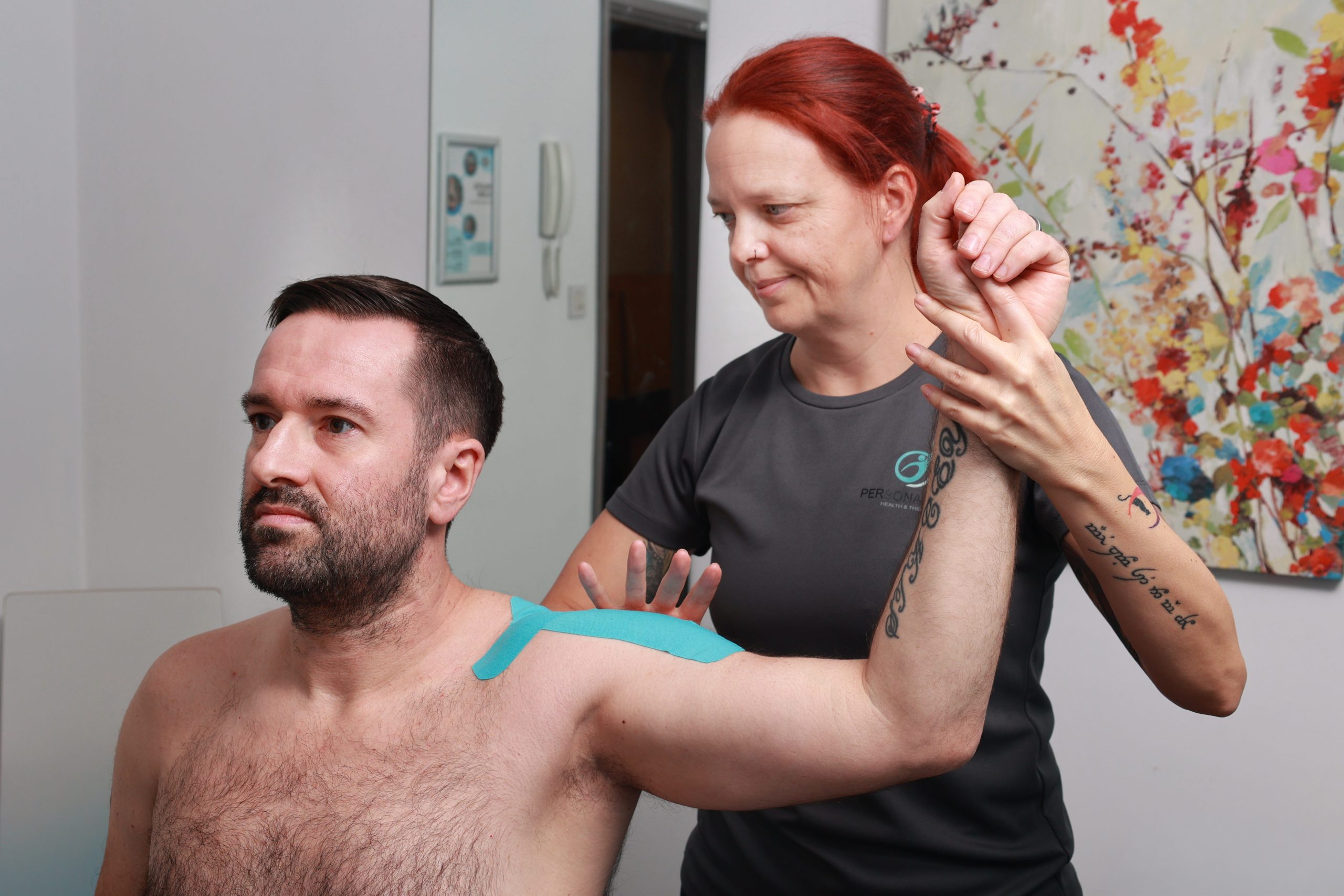
We use a variety of hands-on techniques, such as massage, dry needling, taping, stretching and muscle activation, to reduce pain in the first instance. Pain is generally caused by inflammation or by the body’s nervous system being in over-drive. By calming everything down and reducing pain, our clients can achieve greater levels of movement and increased comfort, to be able to move on to rehabilitation. Contrary to popular belief, sports therapy should never be excessively painful or uncomfortable. This would cause the body to tense and achieve the opposite of the desired effect. Treatments usually cause a relieving effect from pain, and your therapist should ALWAYS work within your comfort limits.
Rehabilitation
Once we have achieved a reduction in pain, we will generally prescribe exercises to help continue the effect of treatment long after you get home, and in between appointments. In the first instance, exercises will be very gentle, just easing the body back into normal movement, and stimulating the body’s own natural healing systems. Once you have a significant reduction in pain, we will then use exercise to strengthen the affected area, to ensure that the injury is less likely to reoccur in the future. We can be present throughout this development stage, guiding you step by step through each exercise. We can work with your personal trainer, if you have one already, or provide one for you. This can help you achieve fitness or return to sport goals quicker and more effectively. Or we can provide exercise plans for you to complete at your own leisure. It’s up to you. But remember, the best outcomes rely on you sticking to your rehab plan exactly as prescribed.
What should I expect from my Sports Therapy appointment?
In the first instance, you can expect a lot of questions. In order to assess the injury and develop a treatment plan we need a lot of information, about how the pain started and developed, about your job, and about regular activities and hobbies. We will also ask you about your previous medical history, as well as things like your diet, sleeping patterns lifestyle etc. This will all help us to build up a picture of you and determine what will and won’t work for you. If you are a young and healthy footballer, for example, you might be quite happy with ladder drills and burpees in your rehab program. But those exercises may not be suitable for someone in their 60’s, or who has never exercised before.
Your assessment will then be followed by some hands-on treatment, and finally you will be given a completely individual exercise or movement program to take home. We use a handy app for this, so you can have your exercises to hand on your phone. You can set reminders, and have step by step instructions at your fingertips.
We want you to get the most out of your sessions with us, so please ask as many questions as you want to, either at or between your appointments. Our goal is to educate you so that you can take control of your body and feel confident in getting back to your normal, healthy, active self.
Meet Our Therapist
Tamsin Philp – Sports and Soft Tissue Therapist, Pilates and Exercise Instructor, Nutrition Coach.